Project Type
Consulting
For
TEAGUE
Year
2019
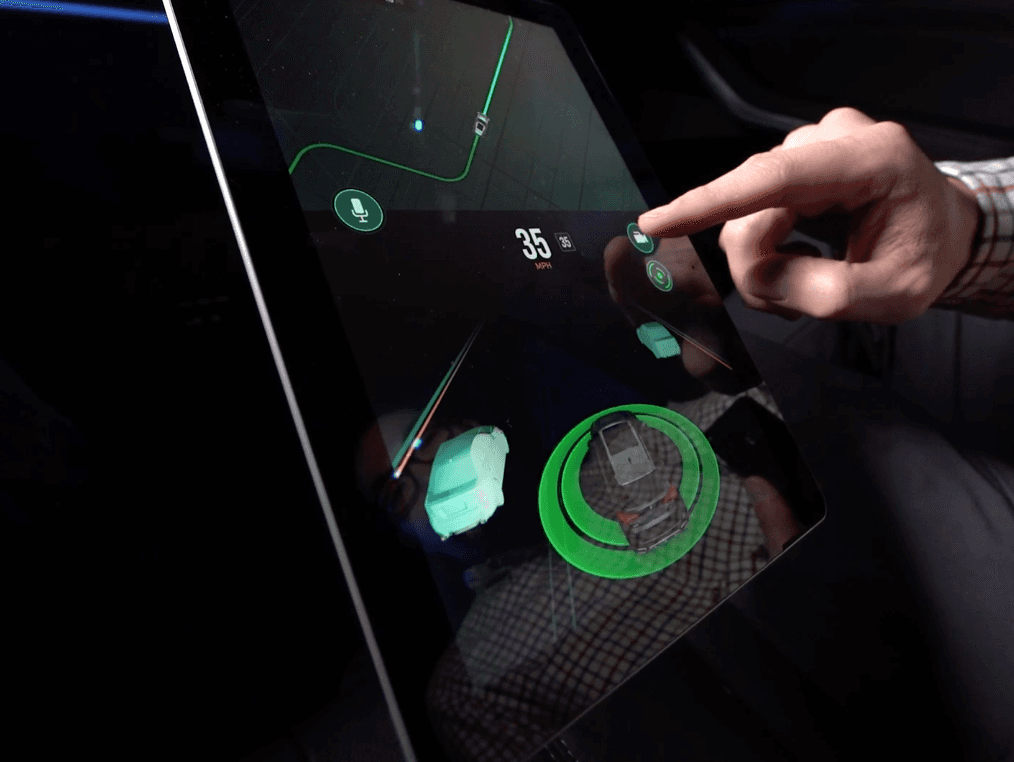
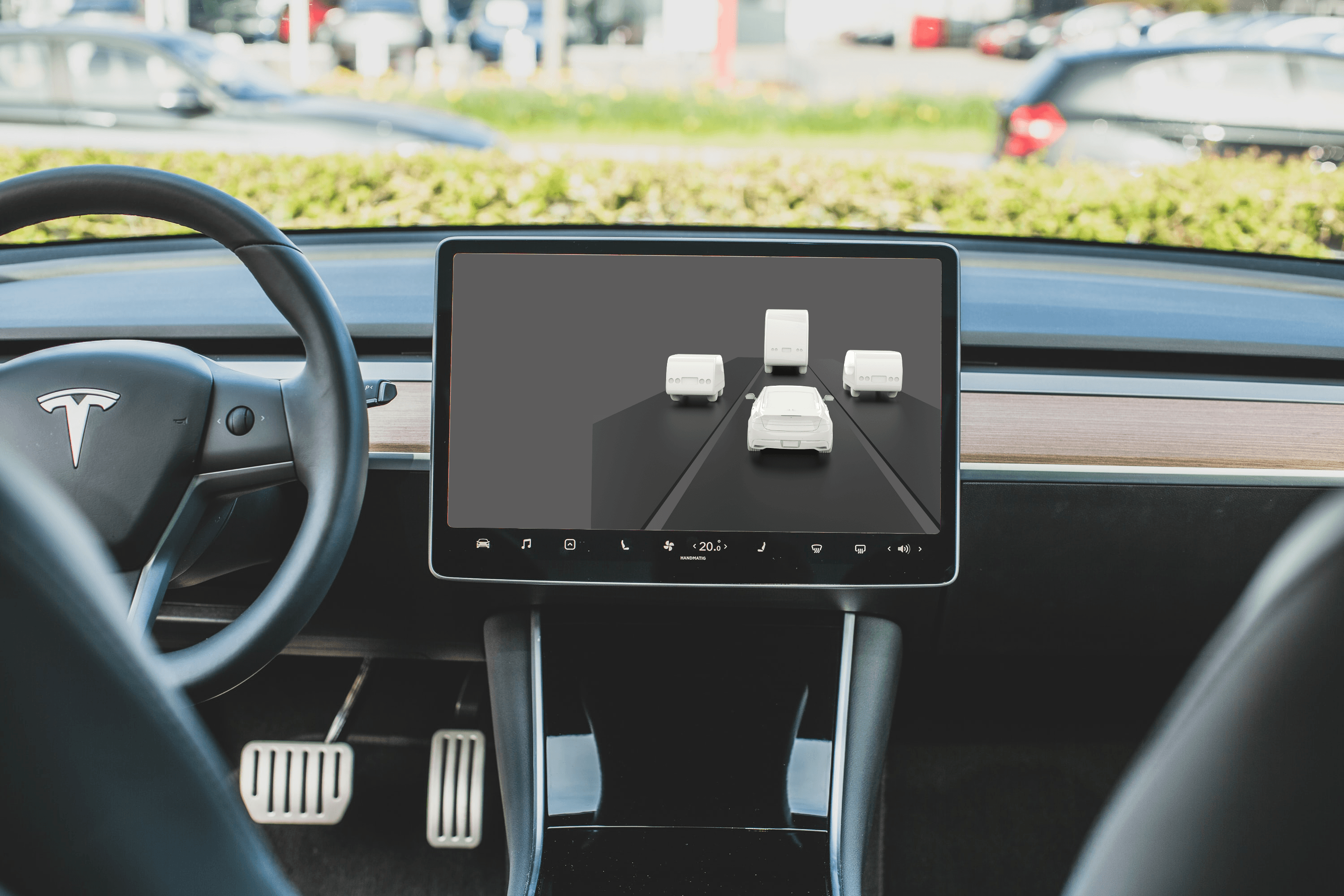
At TEAGUE, I worked on a self-driving car program focused on a core question: how do you help passengers feel confident when they’re no longer in control of the wheel? My contribution centered on interaction design for the in-vehicle “confidence screen” — the primary surface for communicating what the car is doing, why, and what will happen next.
Passengers stepping into an autonomous vehicle bring a mix of curiosity and anxiety. They can’t directly see the system’s perceptions or decision-making, but they are acutely aware of risk: Is this car seeing what I see? Does it "see" that pedestrian? Why did it suddenly slow down? Without clear, timely signals, even a technically safe system can feel opaque and unnerving, which quickly erodes trust.
My goal in this work was to translate complex autonomy behaviors into legible, human-centered interaction patterns for our big tech client. I wanted passengers to feel oriented rather than overwhelmed — to understand at a glance what the vehicle was aware of, what it intended to do, and when it might deviate from what they expected.
To get there, I helped define what information the confidence screen should prioritize and when. I explored different ways to represent the vehicle’s “field of awareness,” upcoming maneuvers, and potential points of concern, while staying within the constraints of available data and processing. Through iterative concepting and behavior mapping, I mapped out scenarios where passengers most needed reassurance — sudden braking, lane changes, merging, or encountering pedestrians and cyclists — and used those moments to shape both the confidence screen itself and the way the car “talks” to passengers. Across these scenarios, I combined graphical cues and plain‑language messages to explain what the vehicle sees, what it’s doing, and what will happen next.
Throughout the project, I collaborated with designers, project and account managers, along with technical engineers to ensure these patterns were technically feasible. The resulting interaction principles for the confidence screen became a foundation for our tech client for how the vehicle communicates with passengers: when to explain, when to simply reassure through consistent behavior, and how to visually and verbally express the car’s “intent” in ways that support comfort, comprehension, and long-term trust in autonomous driving.
Human–Machine Interaction · Interaction Design · User Trust
Next Project